Pausing Is Not a Failed Watch
Pausing a film can make home viewing easier to follow. Choose a useful stopping point, keep track of your place and return without an unnecessary restart.
Pausing a film can make home viewing easier to follow. If you are checking the kettle or replaying the same line because your attention has slipped, a short break may serve the story better than letting it run unheard.
A film can still feel whole across two evenings. The useful question is not whether you watched without interruption, but how to leave the story so you can find your way back.
When should you pause a film?
Notice the difference between a scene that demands concentration and one you are no longer taking in. A challenging exchange may have your full attention; drifting looks more like checking the clock or realising you missed a conversation.
If you are absorbed but need a stretch, pause briefly and return. If your mind keeps turning to other tasks, stop for the evening rather than watching out of obligation. This is a practical choice about attention, not a judgement on your taste or stamina.
Where is a useful stopping point?
When you have the choice, look for a transition: a scene ends, a character leaves a room, a journey begins, or the editing settles into a new passage. Such a break works like a bookmark between chapters, leaving you with a clear sense of what has just changed.
Films with long, continuous scenes may offer no tidy exit. If you are tired, do not wait for a perfect one: pause where you are and write down the last clear event. A rough note is more helpful than watching an important scene half-asleep.
How can you keep your place?
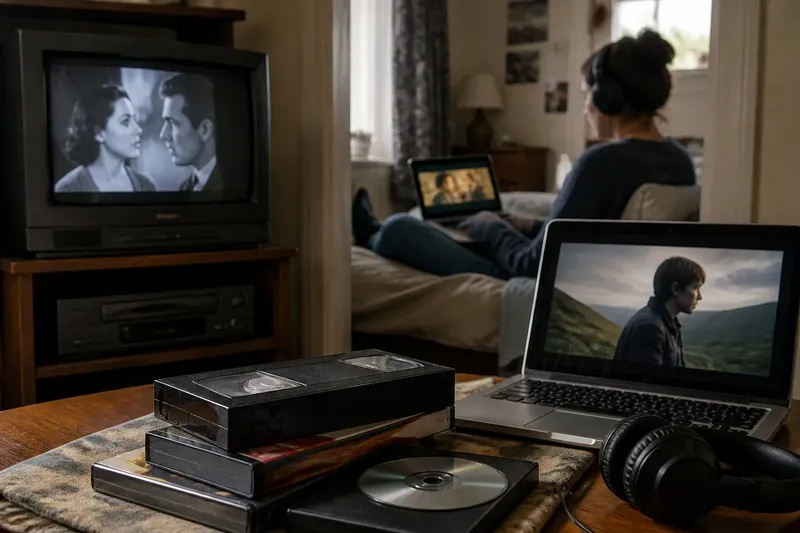
Before closing a streaming service, check whether it offers a resume option for that title; interfaces differ, and the position may not always be saved. If you use a disc, see whether your player has a pause or resume function. A short note is a useful backup: record the last clear event, not a full recap.
If subtitles, audio description or a particular language track matter to you, note your settings in case they need selecting again. Keep the note brief enough that it helps you return rather than turning the next viewing session into homework.
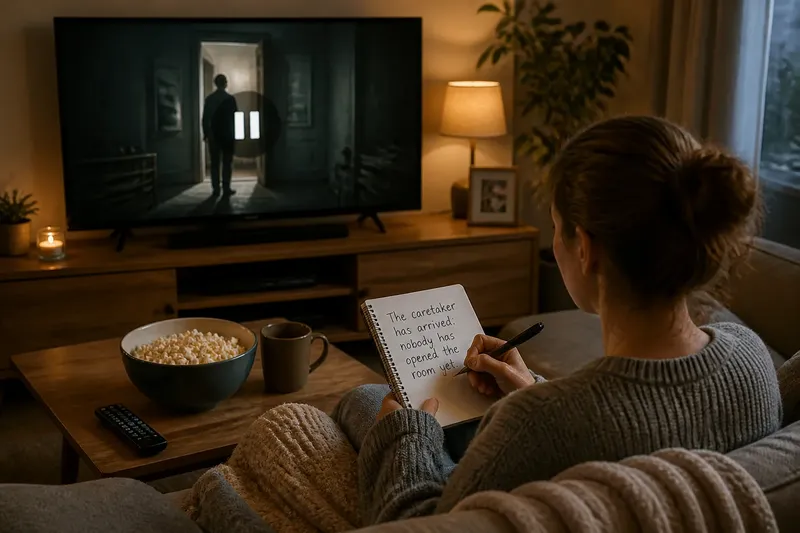
Say you pause a mystery after the characters find a locked room. Your note reads, “The caretaker has arrived; nobody has opened the room yet.” When you return, you know the immediate situation without giving away what happens next.
What should you do when you return to a film?
Should you replay the last scene?
Replay a little if the previous scene feels fuzzy or a detail matters to what follows. Otherwise, let the film’s next moments refresh your memory rather than rewinding by habit.
What if the service has not saved your place?
Search for the title and check whether a resume position is available before choosing to play from the beginning. If not, use your note or the last scene you remember to locate your place.
Does pausing interrupt a film’s rhythm?
It can break the momentum of a tense sequence, so a transition is preferable when you can wait comfortably. If you need to stop sooner, return when you can give the next stretch your attention.
Should you resume if you no longer want to watch?
You can leave a film unfinished if its tone no longer suits your evening or you feel no interest in what comes next. Finishing every title you start is not a measure of attentiveness.
How can you make re-entry easier?
Before pressing play, glance at your brief note and choose a moment with fewer distractions. Close unrelated tabs or silence notifications if they are pulling your attention away. If the plot still feels unfamiliar, replay an earlier scene or restart because you want the whole arc in one stretch—not because a pause obliges you to begin again.
For pausing a film, the simplest method is to stop at a transition when possible, keep a factual note if needed, and check whether your player can resume. That small bit of preparation helps you settle back into the story without making an uninterrupted watch the measure of a good evening.