When Home Viewing Left the Living Room
Home film viewing changed as television, video cassettes and portable screens untethered films from the living room and reshaped shared routines.
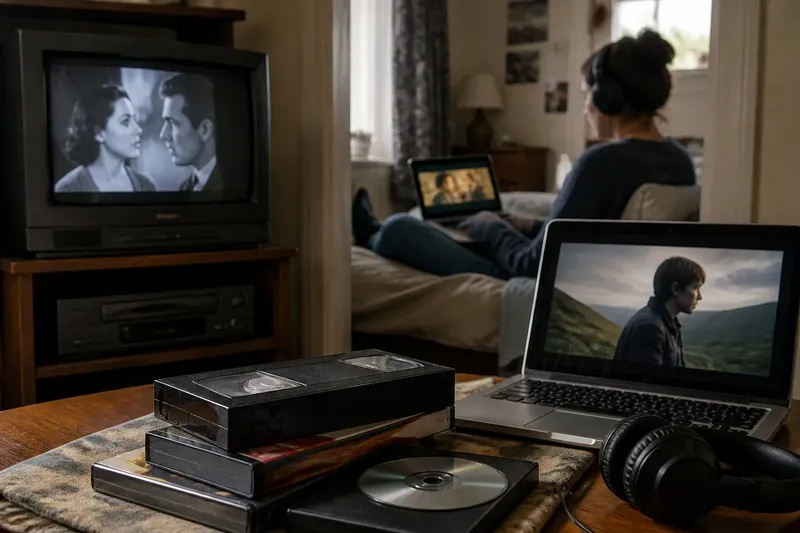
Home film viewing changed whenever a screen or format let a film escape the living room. The shift becomes clearer through specific milestones: television sets established a common household screen, the VCR made it possible to choose when a film played, and portable devices loosened the bond between a film and a room.
These technologies did not replace one another in a neat line. A family could use a television and VCR while someone else watched a laptop in another room. The history is less a parade of smaller screens than a record of new choices about location, timing and company.
How did television make the living room a film space?
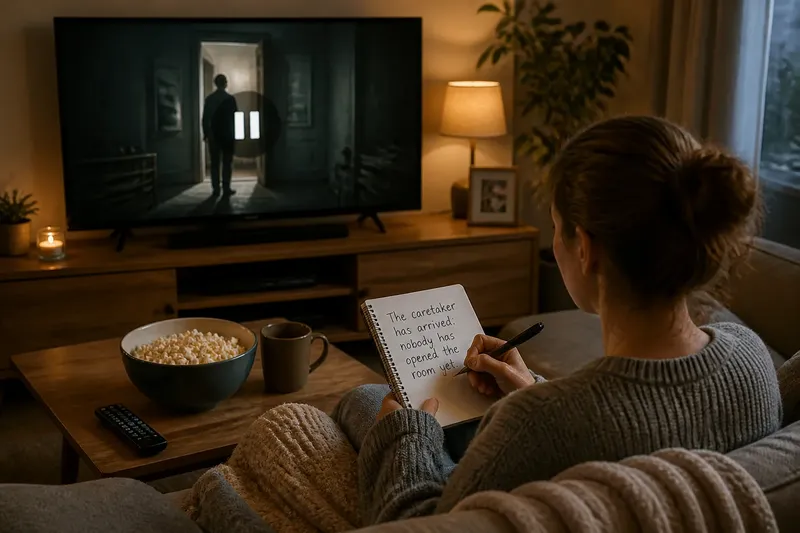
In the post-war decades, television sets became familiar fixtures in British homes. Early sets were substantial pieces of furniture, often placed in a main sitting room. Their position made watching a shared activity: viewers gathered where the screen stood, and the household had one obvious place to follow a programme or a televised film.
Broadcast schedules added another constraint. If a film appeared at a particular time, viewers who wanted to see it had to fit their evening around that slot. The BBC and ITV offered different schedules, so choosing what to watch could involve a household decision, not simply selecting a title at leisure. These arrangements did not mean every family watched together, but they made the main television a practical centre for shared viewing.
The VCR altered that pattern without immediately displacing the television. With a video cassette recorder, viewers could rent or buy a film on VHS, or record a broadcast to watch later. The living-room set remained the screen, but the viewer gained more control over timing. A film could be chosen for an evening rather than accepted as part of a broadcaster’s schedule.
What did portable screens change?
Portable video players brought playback into bedrooms and other private spaces. Later, laptops offered another option: a computer could play discs and, as online services developed, stream films. Tablets and phones made viewing possible in still more places. Each change depended on a different technology, so the transition was gradual rather than a single leap from television to phone.
The important difference was control over the screen’s location. A television usually asked viewers to come to it; a laptop or tablet could be carried to a desk, bedroom or quiet corner. That freedom resembled carrying a paperback from the sitting room to a chair by the window: the object moves with its owner, but a screen can also bring headphones, menus and interruptions.
Portable devices did not make every viewing private or fragmented. They added options. Someone could still connect a laptop to a television, watch a DVD with family, or use a phone for a short stretch of a film while travelling. The same title could belong to a shared evening or a solitary pause, depending on the screen and circumstances.
Why did the screen’s location shape household viewing?
A fixed television affected household routines in concrete ways. If the living-room set was being used for a film, anyone wanting to watch another programme had to wait, negotiate or use a different screen. If the room was needed for another activity, the film might have to stop. The set’s location did not dictate what every household did, but it made access to that screen a shared practical matter.
VHS and DVD widened the choice of films without changing that arrangement by themselves. A household could pick a title from a video shop or its collection, yet still gather around the same television. Later, laptops and tablets made separate viewing easier: one person could use a small screen in a bedroom while another kept the main television free. The change was not that families stopped sharing films; it was that sharing became a choice among several workable arrangements.
Imagine a household with a living-room television, a borrowed DVD, and a member who needs the room for a quiet call. The viewer first plans to play the disc on the television, then notices the room conflict and moves a laptop to the bedroom. They put on headphones and play the same DVD there. The observable result is that the call can continue and the film can proceed, but the viewer loses the company and shared reactions of the living room. The choice solves one problem while changing the nature of the occasion.
What questions help explain the move beyond the living room?
Did the VCR make television viewing more flexible?
Yes: recording a broadcast or playing a rented VHS cassette let viewers choose a time more freely than a fixed schedule allowed. The television often remained the viewing point, so timing changed before location did.
Did portable devices end family film nights?
No. They made solitary viewing easier, while the television continued to support a shared screen and common reactions. A household could move between both habits.
How did DVD differ from VHS for home viewing?
DVD replaced the cassette with a disc and became a common format for watching films at home. It broadened access to a physical film library, but did not by itself make the screen portable; that depended on the player and display.
What changed most when films moved to phones and tablets?
The viewer could take the screen into more parts of daily life, rather than arranging an occasion around a television. This increased control over place, though a small personal screen did not reproduce the shared atmosphere of a roomful of viewers.
How can you choose between a shared screen and a personal one?
The history becomes useful when it helps identify the practical trade-off in front of you. Check the situation, then choose an action based on what you observe:
- Company: If watching together is part of the appeal, use the shared television; if others are unavailable or prefer different films, choose a personal screen instead.
- Room access: If the living room is free for the whole film, keep the television plan; if someone needs it, move to another screen or choose a different time.
- Sound: If dialogue is hard to hear over household noise, use headphones or a quieter room; if you want everyone to hear the soundtrack, keep speakers on the shared set.
- Format and player: If the film is on VHS or DVD and the available player is connected to the television, watch there; if a compatible portable player or laptop is available, take the film elsewhere.
- Attention: If a room’s ordinary activity keeps interrupting the film, move to a calmer space; if the interruptions are welcome company, stay where people are gathered.
- Privacy: If you want to react without an audience, use a private screen; if conversation and shared reactions would add to the evening, invite others to the common room.
These decisions show why the history of home film viewing is also a history of household access. The living-room television made a common screen easy to identify; the VCR changed when viewers could use it; portable screens changed where they could watch. Home film viewing now contains all three habits, and the format or device alone does not decide which one suits an occasion.
When choosing where to watch, ask who has access to the screen and what the room allows. That small question reveals the lasting legacy of the move beyond the living room: not a verdict on private or shared viewing, but more ways to arrange a film around the people and space available.